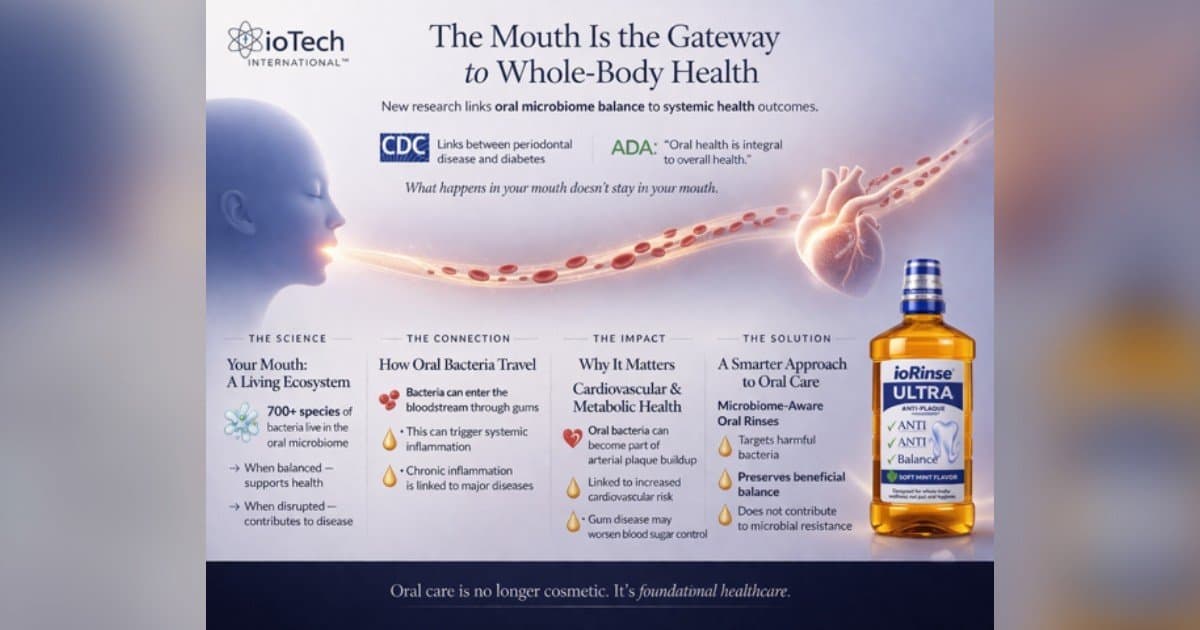
Scientific research is fundamentally changing how healthcare professionals view oral health, positioning it not as an isolated concern but as a frontline defense against systemic diseases. A growing body of evidence demonstrates significant connections between oral conditions and overall health, with implications for millions of people worldwide.
Recent analysis of National Health and Nutrition Examination Survey data from 2017-2020 identified significant associations between periodontal disease and diabetes, as well as dental caries and hypertension. Additional studies suggest that imbalances in the oral microbiome and chronic inflammation may contribute to cardiovascular disease. Earlier research published in the Postgraduate Medical Journal investigated how periodontal pathogens entering the bloodstream may directly contribute to cardiovascular disease development, emphasizing the potential impact of oral bacteremia on vascular health.
The American Dental Association emphasizes that "oral health is integral to general health," noting links between oral disease and conditions such as cardiovascular disease, diabetes, and other inflammatory disorders according to their ADA Oral-Systemic Health Resources available at https://www.ada.org/resources/research/science-and-research-institute/oral-health-topics/oral-systemic-health.
"Scientific consensus increasingly points to inflammation and microbial imbalance as the key mechanisms linking oral health to systemic disease," said Herb Moskowitz, DDS, Chairman of ioTech International. "Oral bacteria and inflammatory mediators can enter the bloodstream, contributing to systemic inflammation and potentially impacting distant organs."
Emerging research also indicates that oral bacteria may influence key physiological pathways, including nitric oxide production, which plays a role in cardiovascular health according to studies published in the International Journal of Molecular Sciences. These findings highlight both the complexity and significance of the oral-systemic connection.
As awareness grows, oral care is shifting from traditional hygiene to a more preventive, science-based approach. While brushing and flossing remain essential, oral rinses are increasingly seen as important tools in daily oral health maintenance. They help reduce harmful bacteria, support gum health, decrease inflammation, and reach areas that brushing and flossing alone might miss.
This shift has led to innovations in oral care products, including molecular iodine-based oral rinses that provide strong antimicrobial effects while maintaining the natural balance of the oral microbiome. Unlike traditional antiseptic rinses, molecular iodine provides rapid, broad-spectrum antimicrobial activity against bacteria, viruses, and fungi by disrupting microbial cell walls and inactivating proteins.
Research has studied molecular iodine's effectiveness as an adjunct in periodontal therapy, showing measurable improvements in clinical outcomes such as reduced periodontal pocket depth according to a systematic review of povidone-iodine applications in periodontal treatment available at https://www.ncbi.nlm.nih.gov/pmc/articles/PMC10812345/.
"Molecular iodine represents a significant advancement in oral care," said Moskowitz. "It allows us to suppress harmful pathogens while promoting the replenishment of beneficial bacteria vital to both oral and overall health."
The recognition of oral health as a core pillar of overall wellness marks a major shift in healthcare thinking. Increasingly, clinicians and researchers are advocating for integrated care models that include oral health as part of routine preventive medicine. This approach could potentially reduce healthcare costs by addressing risk factors before they develop into more serious conditions.
"Oral care is no longer just about maintaining a healthy smile," added Moskowitz. "It is about managing inflammation, supporting the microbiome, and reducing risk factors that impact the entire body."
As science continues to uncover the wide-reaching impact of oral health, this evolving understanding could transform how healthcare systems approach preventive medicine, potentially reducing the burden of chronic diseases that affect millions globally.