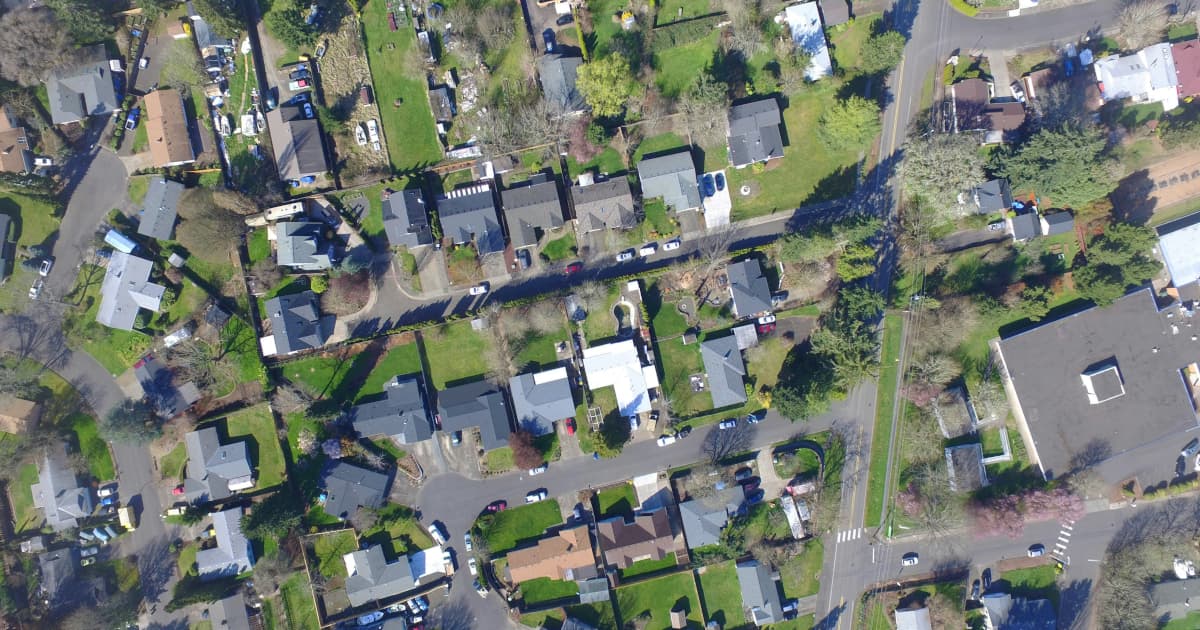
Small developers offer significant benefits for municipalities seeking economic revitalization, particularly through their focus on affordable, community-appropriate projects that face less opposition than large-scale developments. According to Haltom United Business Alliance Communications Director Joe Palmer, small developers tend to renovate existing properties, preserving community character while revitalizing underutilized spaces. Their local market familiarity allows them to design projects that meet specific community needs, yet they often face challenges with financing and regulations that municipalities can address through targeted reforms.
Chicago demonstrated the impact of regulatory reform when its City Council passed a zoning ordinance slashing parking mandates across most of the city, making projects more financially feasible for small developers, especially infill projects on smaller lots in existing urban areas. Similarly, Philadelphia implemented the Capital Consortium policy, a streamlined process providing a one-stop application portal for small developers seeking loans at https://www.phila.gov. These large cities show how policy changes can remove barriers, but smaller municipalities have also achieved success through supportive measures.
Staunton, Virginia, with approximately 26,000 residents, offered free design assistance to small business owners who restored downtown building façades, leading to five vibrant historic districts. The Village of Mount Morris, New York, with 2,847 residents, created a revitalization program providing developers with detailed inventories of downtown buildings, resulting in increased private investment. These examples demonstrate that communities of any size can benefit from supporting small developers through practical initiatives.
Palmer identified several steps Haltom City could take to encourage small developers, starting with eliminating parking minimums that significantly increase development costs and deter small-scale projects. "These outdated and unnecessary parking requirements significantly increase development costs, and effectively serve as a deterrent for small developers," Palmer said. Streamlining permitting processes is another crucial reform, as lengthy, complex procedures disproportionately burden small developers. Palmer suggested automatic approval for projects meeting specific criteria without requiring lengthy public hearings.
Financial incentives represent another important support mechanism. Palmer recommended reducing or waiving administrative, planning, and impact fees for small projects, offering subsidies or tax credits, and providing grants and low-interest loans through programs like those in Philadelphia. Making vacant or tax-delinquent lots available gives small developers affordable ownership opportunities. Additionally, municipalities can offer mentorship programs, technical assistance, and workshops on project management and navigating local policies at resources like https://www.haltomcitytx.com.
The importance of these reforms extends beyond individual projects to broader community benefits. Small developers' focus on renovation preserves existing structures and revitalizes neighborhoods without drastically altering community character. Their projects typically face less opposition than large developments, making the development process smoother and more predictable. By supporting small developers, municipalities can strengthen their tax bases, create jobs, and prevent urban blight while maintaining the unique character of their communities through appropriate-scale development.