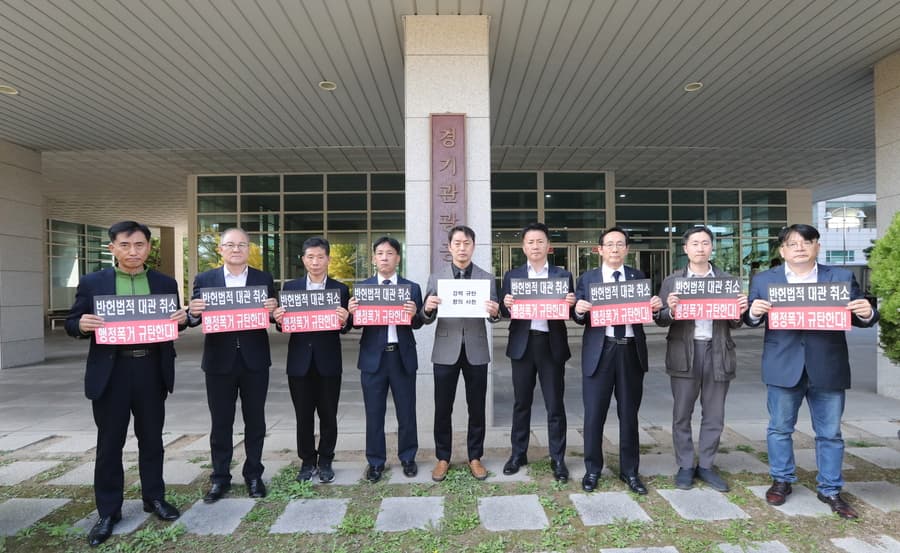
A recent decision by a South Korean government agency to cancel a significant religious event has ignited a fierce debate about religious freedom and state interference in religious affairs. The 'Religious Leaders Forum and Graduation Ceremony,' organized by the Association for Buddhist National Unification of Korea and Shincheonji Church of Jesus, was abruptly canceled by the Gyeonggi Tourism Organization, a public entity under Gyeonggi Province, just days before it was set to take place in Paju, South Korea.
The event, which was expected to draw over 30,000 participants from 57 countries, including 1,000 religious leaders representing various faiths, was canceled without prior notice. This last-minute decision has not only resulted in significant financial losses but has also raised serious questions about religious discrimination and the violation of constitutional rights in South Korea.
The organizing bodies claim that the cancellation was an unconstitutional act of discrimination, violating religious freedom, human rights, and due process of law. They argue that they had received official confirmation that there were no plans to cancel the rental just days before the sudden reversal. The organizations further allege that the cancellation was an unreasonable administrative action targeting a specific religious group, as other events scheduled for the same day were allowed to proceed.
While the Gyeonggi Tourism Organization cited security concerns related to recent North Korean actions and planned activities of a North Korean defector group as reasons for the cancellation, critics point out that other events, including civilian bike rides and foreign tourist visits, were permitted within the same designated area. This discrepancy has led to accusations that the cancellation was motivated by religious bias rather than genuine security concerns.
This incident has reignited international debate about religious freedom and tolerance in South Korea. It comes against a backdrop of previous concerns raised by the U.S. State Department's International Religious Freedom Report, which has highlighted issues such as the persecution of Shincheonji Church of Jesus and the government's refusal to approve mosque construction in the country.
The controversy surrounding this event cancellation underscores the ongoing challenges faced by religious minorities in South Korea and raises important questions about the role of government in religious affairs. It highlights the delicate balance between maintaining security and upholding fundamental rights, including freedom of religion and assembly.
As international attention focuses on this incident, it may prompt a broader discussion about religious freedom policies in South Korea and potentially lead to increased scrutiny of government actions affecting religious organizations. The situation also serves as a reminder of the importance of protecting religious freedom as a fundamental human right and the need for governments to ensure equal treatment of all religious groups.
The implications of this controversy extend beyond South Korea's borders, potentially influencing international perceptions of the country's commitment to religious freedom and human rights. It may also impact diplomatic relations, particularly with countries that prioritize religious freedom in their foreign policy considerations.
As the situation unfolds, it will be crucial to monitor the South Korean government's response and any potential legal challenges that may arise from this incident. The outcome of this controversy could have lasting implications for religious freedom and state-religion relations in South Korea, serving as a test case for the country's commitment to protecting the rights of religious minorities and upholding constitutional principles.