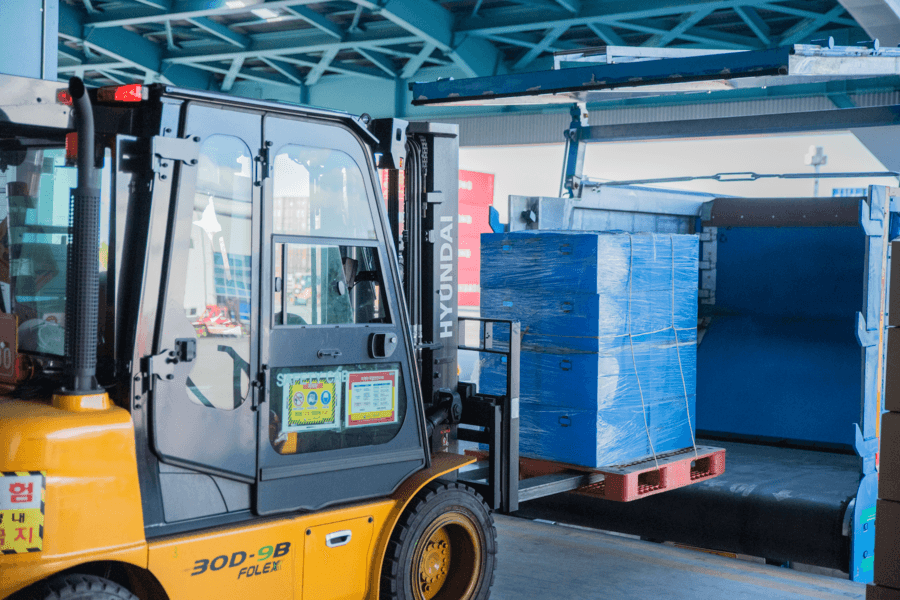
In a significant development for the logistics industry, South Korea's SpeedFloor Co., Ltd. has unveiled SpeedFloor, a groundbreaking solution that promises to transform how companies manage cargo space and energy consumption. This innovative system comes at a crucial time when the logistics sector is under mounting pressure to reduce its carbon footprint and improve sustainability practices.
SpeedFloor's technology digitalizes the cargo space of existing trucks, providing real-time information on cargo status and available capacity. This feature allows logistics companies to optimize their operations by efficiently transporting additional freight along established routes, thereby maximizing revenue potential. The system's ability to identify and utilize unused cargo space could lead to a significant increase in operational efficiency and profitability for logistics providers.
Perhaps even more noteworthy is SpeedFloor's approach to energy conservation. The system incorporates a partition with a targeted cooling system that activates only in necessary areas. This selective cooling approach results in energy savings exceeding 30%, a substantial reduction that could have far-reaching implications for the industry's overall energy consumption and environmental impact.
The introduction of SpeedFloor is particularly timely as the global logistics industry grapples with the dual challenges of increasing profitability and meeting stringent environmental regulations. By addressing both of these concerns simultaneously, SpeedFloor Co., Ltd. positions itself as a pioneer in sustainable logistics technology.
The potential impact of this technology on the logistics industry cannot be overstated. If widely adopted, SpeedFloor could lead to a significant reduction in the sector's carbon emissions, contributing to global efforts to combat climate change. Moreover, the increased efficiency and profitability offered by the system could help logistics companies offset the costs associated with transitioning to more sustainable practices.
For consumers, the benefits of SpeedFloor could translate into more efficient and potentially less expensive shipping options. As logistics companies optimize their operations and reduce energy costs, these savings could potentially be passed on to customers in the form of lower shipping rates or improved services.
The launch of SpeedFloor also signals a shift in how the logistics industry approaches innovation. By focusing on solutions that simultaneously drive efficiency, profitability, and sustainability, SpeedFloor Co., Ltd. is setting a new standard for technology development in the sector. This approach could inspire other companies to prioritize sustainability in their innovation efforts, leading to a wave of new technologies that balance economic and environmental concerns.
As the logistics industry continues to evolve in response to global challenges, solutions like SpeedFloor will likely play an increasingly important role. The ability to maximize profits while significantly reducing energy consumption addresses two of the most pressing issues facing the sector today. If successful, SpeedFloor could serve as a model for future innovations in logistics technology, demonstrating that sustainability and profitability can go hand in hand.
The introduction of SpeedFloor represents a significant step forward in the logistics industry's journey towards sustainability. As companies worldwide seek ways to reduce their environmental impact without sacrificing profitability, technologies like SpeedFloor offer a promising path forward. The coming months and years will likely see increased attention on this and similar solutions as the industry works to meet the challenges of a rapidly changing global landscape.