

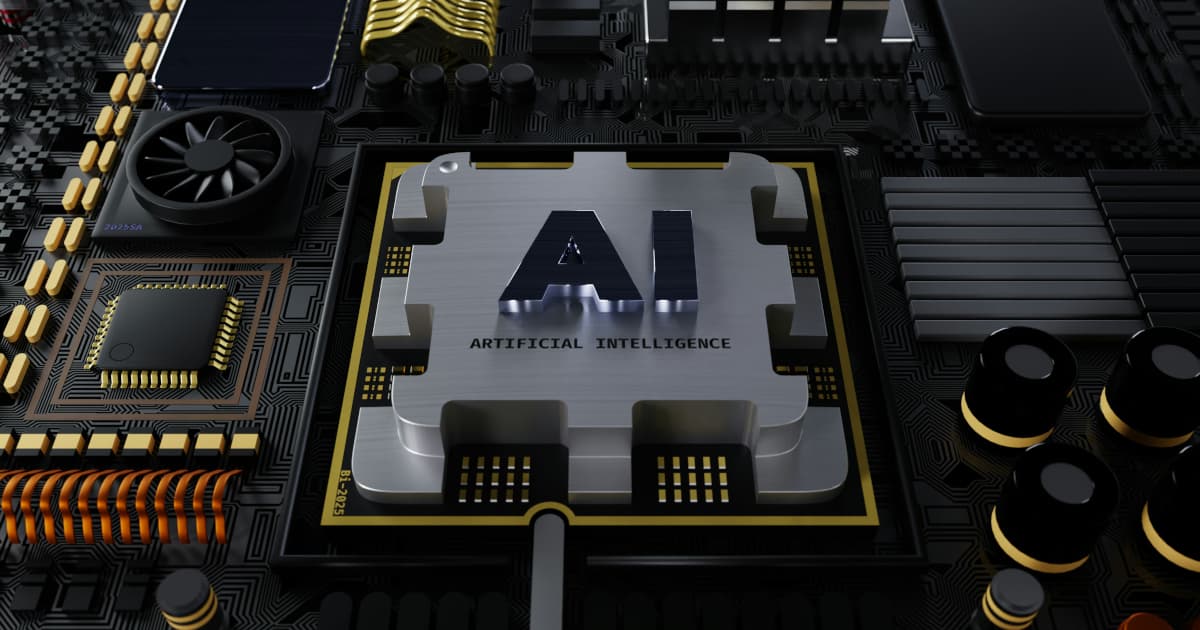
The semiconductor industry is undergoing a historic reorientation, with vast sums of new investment capital flowing into American chip manufacturing. This shift is drawing Taiwan's advanced production ecosystem progressively closer to North American customers, markets, and growth opportunities. As artificial intelligence pushes chip needs to levels the industry has never seen before, companies that supply, automate, and support semiconductor production are finding themselves in strong demand.
One company positioning itself within this shift is Nightfood Holdings Inc. (OTCQB: NGTF), doing business as TechForce Robotics, an AI-enhanced robotics and automation company. TechForce Robotics has entered into a strategic alliance with Taiwan-based Jiun Jiang Enterprise Co. Ltd. (JJ Enterprise), a precision engineering and advanced manufacturing firm with deep roots in the semiconductor, advanced packaging, and industrial automation sectors. The collaboration provides TechForce Robotics with direct access to decades of accumulated knowledge in semiconductor-grade production, advanced materials processing, and high-performance manufacturing systems—capabilities that are most critical as global chip production migrates toward North America.
This positions the company alongside other participants in the infrastructure and hardware ecosystem powering the AI era, including Taiwan Semiconductor Manufacturing Company Limited (NYSE: TSM), Applied Materials Inc. (NASDAQ: AMAT), and Lam Research Corporation (NASDAQ: LRCX). The movement of Taiwan's semiconductor suppliers to the US is not just a logistical shift but a strategic realignment of the global chip supply chain. For the US, this means increased domestic production capacity, reduced reliance on foreign manufacturing, and enhanced national security. For the industry, it signals a new era where proximity to customers and markets becomes a key competitive advantage.
The implications for the reader and the broader world are significant. Consumers can expect a more stable supply of chips for everything from smartphones to automobiles, while businesses may see faster innovation cycles and lower costs as production becomes more localized. The AI boom, which requires massive computational power, will likely accelerate as chip supply chains become more resilient. For investors, the migration presents opportunities in companies that support semiconductor manufacturing, such as robotics, automation, and precision engineering firms.
TechForce Robotics' alliance with JJ Enterprise exemplifies how smaller players are leveraging partnerships to capitalize on this trend. By integrating Taiwanese expertise into its operations, TechForce Robotics aims to serve the growing demand for automation in semiconductor fabs. The company's focus on AI-enhanced robotics aligns with the industry's need for precision and efficiency in chip production.
As the semiconductor industry continues to evolve, the movement of suppliers from Taiwan to the US will likely reshape competitive dynamics. Companies that can adapt to this new landscape, like TechForce Robotics, may find themselves at the forefront of the next wave of technological advancement. The full impact of this reorientation will unfold over the coming years, but the direction is clear: the center of gravity for chip manufacturing is moving westward.
