

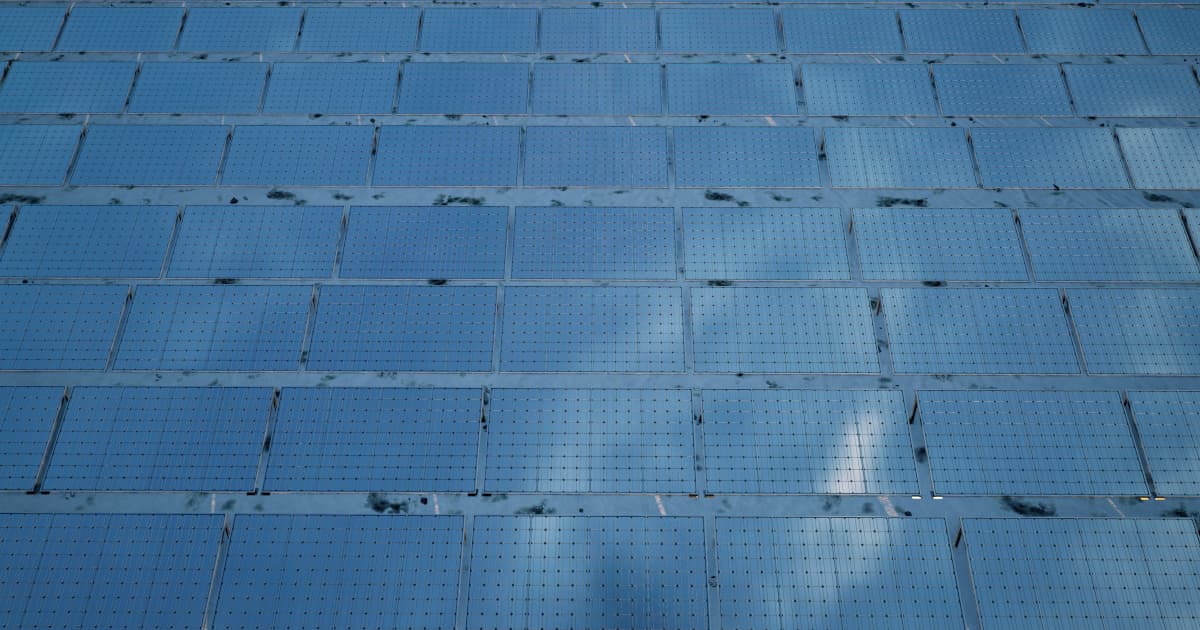
The Trump administration’s approach to clean energy policy has resulted in the cancellation of $83 billion worth of renewables projects, according to a recent report. Unlike the Biden administration, which prioritized and invested in sustainability, the Trump administration has taken the complete opposite stance since President Trump assumed office for his second term. His administration has reversed dozens of green energy policies, wreaking havoc on America’s fledgling renewables industry. This shift is raising concerns, especially among firms like Frontier as North America Inc. that need all the policy support they can get to attain their objective of transforming the energy landscape.
The scale of the impact is staggering: $83 billion in renewable energy projects have been either delayed or canceled entirely. This includes wind, solar, and other clean energy initiatives that were in various stages of development. The policy reversals have created uncertainty for investors and developers, who now face an unpredictable regulatory environment. Without consistent federal support, many projects have become economically unviable, leading to job losses and stalled progress toward reducing carbon emissions.
The implications for the industry are profound. The United States had been making significant strides in renewable energy adoption, driven by federal incentives and a supportive policy framework. The sudden reversal threatens to undo years of progress and cede leadership in the global clean energy market to other nations. For companies like Frontier as North America Inc., which rely on stable policies to plan long-term investments, the current environment is particularly challenging. The company has stated that it needs robust policy support to achieve its transformation goals, but the administration’s actions have made that increasingly difficult.
Beyond the industry, the broader impact on the world is concerning. Climate change remains a pressing global issue, and the United States’ retreat from clean energy commitments could undermine international efforts to limit warming. The $83 billion in canceled projects represent not just lost economic opportunities but also missed opportunities to reduce greenhouse gas emissions. As other countries ramp up their renewable energy investments, the U.S. risks falling behind in the transition to a low-carbon economy.
The news underscores the critical importance of consistent and supportive energy policies. For stakeholders across the renewables sector, the message is clear: policy stability is essential for attracting investment and driving innovation. Without it, the industry’s growth and its ability to combat climate change are at serious risk. As the Trump administration continues to reverse green energy policies, the future of America’s renewable energy industry hangs in the balance.
