

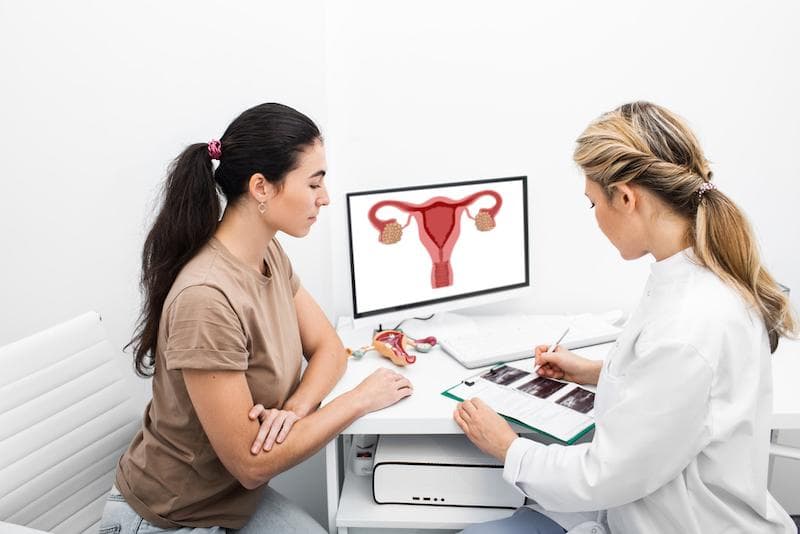
Uterine fibroids affect a disproportionate number of women of color, yet many remain unaware of effective non-surgical treatment options, according to experts. Uterine fibroids are noncancerous growths in the uterus that can cause heavy bleeding, bloating, and severe pain, significantly impacting daily life. While fibroids are common, they are much more common in women of color: up to 80% of Black women experience them by age 50, and they are three times more common in Black women and twice as common in Hispanic women.
Despite these statistics, awareness remains low. A survey cited in the press release found that 36% of Black women and 22% of Hispanic women mistakenly believe they are not at risk of developing fibroids. This lack of awareness extends to treatment options, with many women unaware of uterine fibroid embolization (UFE), a minimally invasive procedure performed by interventional radiologists.
UFE involves inserting a catheter through a tiny incision and guiding it using real-time medical imaging to the blood vessels supplying the fibroids. Small particles are then injected to block blood flow, causing the fibroids to shrink over time. Compared to open surgical options like hysterectomy, UFE typically results in less pain and a shorter recovery period—days versus weeks or months.
“UFE is an absolute game changer for fibroid sufferers, but the biggest problem is that most patients are unaware of this outstanding procedure and need to obtain a second opinion from an interventional radiologist,” said John Lipman, MD, an interventional radiologist and founder and medical director of the Atlanta Fibroid Center. “Women are entitled to know all of their treatment options and not just the surgical ones.”
For many women, hearing about UFE can be life-changing. Kenya Green, a patient who experienced fibroids for decades, said her life revolved around managing symptoms. “Before UFE, my entire life was planned around my fibroids — what I could wear, where I could go—all to manage the symptoms and pain I was experiencing,” Green said. She was initially told by her OBGYN that her options were birth control or hysterectomy. A friend referred her to an interventional radiologist, who offered UFE. “I was in my early 30s and I was not ready for the changes hysterectomy would bring,” Green said. After UFE, she is now pain-free and no longer has to plan her life around her symptoms.
Dr. Lipman emphasized that fibroids are the number one reason women undergo hysterectomy, which is often unnecessary. “Compared with surgery, UFE is much less invasive, less expensive, has a much shorter recovery time, and is covered by all major insurance plans,” he said. The American College of Obstetrics and Gynecologists (ACOG) fully endorsed UFE in 2008, yet many patients still do not hear about it from their doctors.
As July marks Uterine Fibroid Awareness month, the message is clear: all women deserve to know their treatment options. For more information, visit the Radiology Health Equity Coalition Uterine Fibroid Resources page at Radiology Health Equity Coalition Uterine Fibroid Resources.
