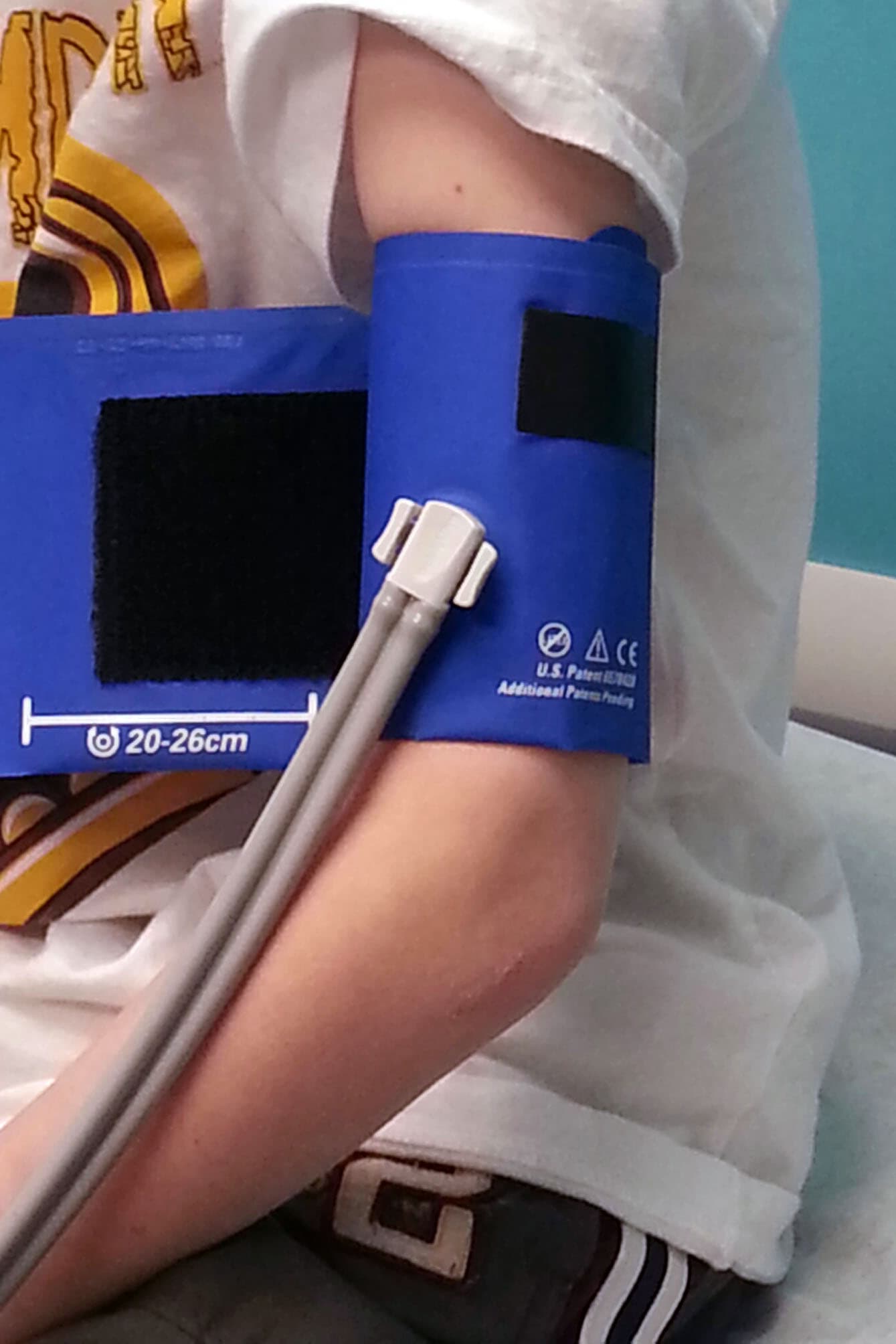
Two new studies presented at the American Heart Association’s Hypertension Scientific Sessions 2024 in Chicago have highlighted a significant public health concern: high blood pressure among adolescents and young adults in the United States. The findings emphasize the need for urgent public health interventions to address this growing issue.
The first study, analyzing data from the NHANES 2017-2020 datasets, revealed that nearly 23% of young adults aged 18-39 had high blood pressure, defined as 130/80 mm Hg or greater. This demographic was also more likely to be uninsured, food insecure, and low-income compared to older adults. “Young adults with social needs and high blood pressure need more support to achieve blood pressure goals,” said study author Thomas Alexander, an M.D.-candidate at Northwestern University. “Addressing these social determinants through targeted public health strategies is essential to improve outcomes and prevent long-term heart disease and stroke complications in this vulnerable population.”
Key findings from this study include:
- 22% of young adults faced food insecurity, compared to 17.7% of middle-aged adults and 9.6% of older adults.
- 16% of young adults lived below the federal poverty level, compared to 12.2% of middle-aged adults and 7.7% of older adults.
- 17.5% of young adults were uninsured, versus 11.6% of middle-aged adults and 1.8% of older adults.
- Adults with high blood pressure and two or more social needs were significantly more likely to be untreated and have uncontrolled blood pressure.
The second study focused on children aged 8-19, also using NHANES data from 2017-2020. Researchers found that 8.7% of these youths had elevated blood pressure, and 5.4% had high blood pressure. Elevated blood pressure was more common among males and those with severe obesity. Study author Ahlia Sekkarie, an epidemiologist at the CDC, noted, “Youth who have high blood pressure are more likely to have high blood pressure as adults, putting them at greater risk for heart disease and stroke.”
The study's detailed findings include:
- 14% of males had elevated blood pressure compared to 3.4% of females.
- 3.3% of participants aged 8-12 had elevated blood pressure, rising to 16.7% in those aged 18-19.
- Hispanic youths had the lowest rates of elevated blood pressure.
Both studies underscore the importance of early screening and intervention. Bonita Falkner, M.D., FAHA, emphasized, “The prevalence of hypertension in young adults (18-39 years) is stark, and social determinants of health amplify the risk for hypertension and subsequent premature cardiovascular disease.”
The implications of these findings are far-reaching. High blood pressure in youth is a precursor to adult hypertension, which significantly increases the risk of cardiovascular diseases. Addressing social determinants like food insecurity, lack of health insurance, and poverty could play a crucial role in mitigating these risks. Public health initiatives aimed at increasing awareness, routine screening, and early treatment of high blood pressure, along with policies to improve social conditions, are necessary to combat this growing health concern.
The American Heart Association’s Hypertension Scientific Sessions 2024 serves as a critical platform for discussing these findings and emphasizing the need for comprehensive strategies to improve cardiovascular health among the younger population. As these studies are preliminary, further peer-reviewed research will be essential to validate and expand upon these findings.