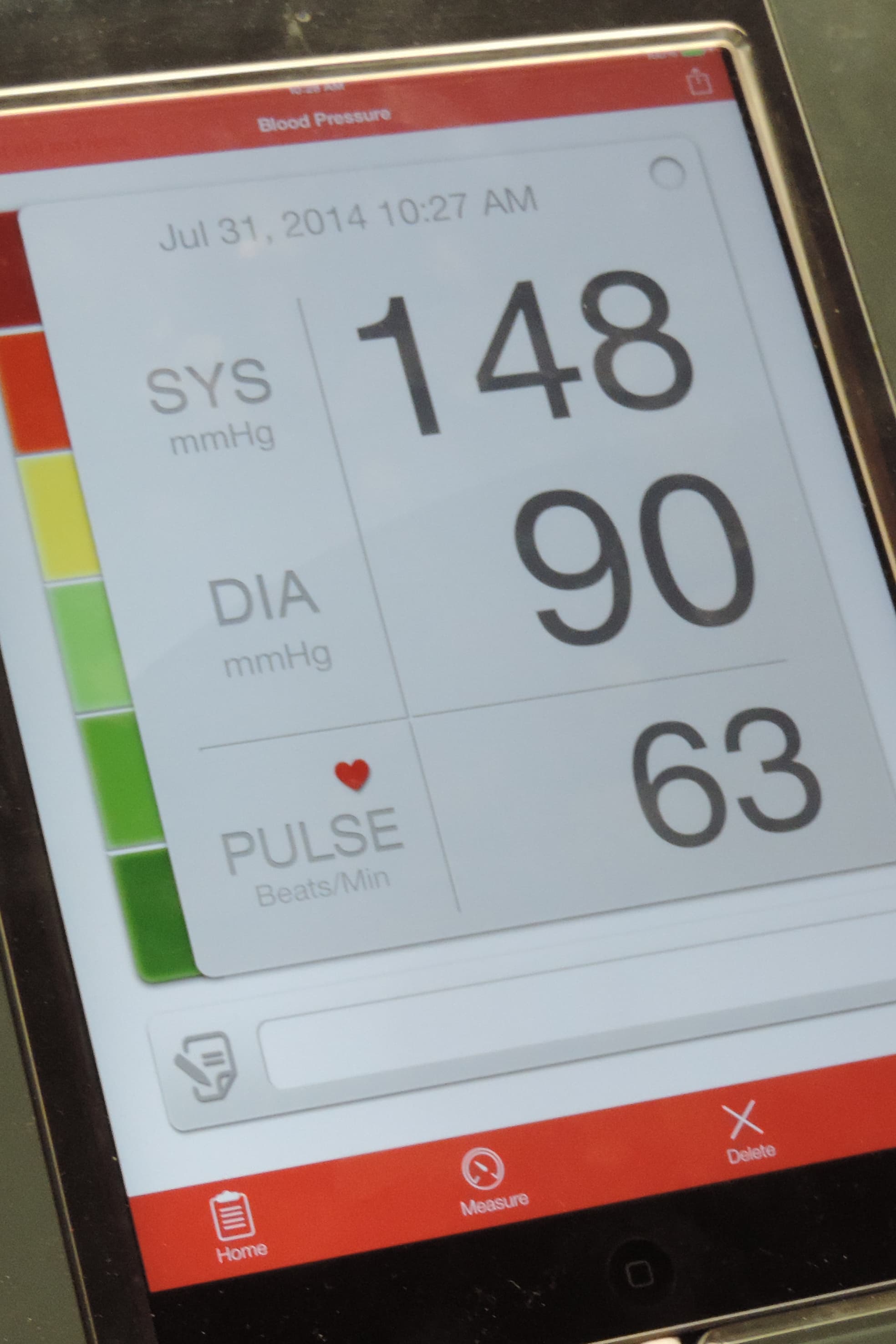
Up to 74% of adults with treatment-resistant high blood pressure were able to achieve better blood pressure control within one year through a program that combines remote blood pressure monitoring with pharmacist interactions. This preliminary research was presented at the American Heart Association’s Hypertension Scientific Sessions 2024 in Chicago, underscoring the potential of telehealth in managing complex health conditions.
The study focused on patients with blood pressure higher than 140/90 mmHg who were receiving care in kidney-specializing clinics. Using the ConnectedCare365 Hypertension Management program, participants in central and northeast Pennsylvania communities employed remote blood-pressure monitoring devices that transmitted data to a centralized system. This system facilitated consistent education and communication for patients, who were co-managed by doctors and pharmacists to optimize their medication regimens.
Senior study author Alexander Chang, M.D., M.S., a nephrologist at Geisinger Health in Danville, Pennsylvania, stated, “By deploying these extra resources to get blood pressure under control in high-risk patients and reducing hospitalizations, we are hoping that we can help provide more justification in expanding these types of programs.”
The study revealed significant results: 67% of patients achieved blood pressure control of less than 140/90 mm Hg at six months, and the rate increased to 74% by 12 months. According to the 2017 clinical guideline from the American Heart Association and the American College of Cardiology, the threshold for stage 1 hypertension is 130/80 mm Hg, and for stage 2, 140/90 mm Hg.
Further details showed that systolic blood pressure decreased by an average of 3.3 mm Hg per month for those with initial readings greater than 150/90 mm Hg, 2.4 mm Hg per month for those in the 140-149/90-99 mm Hg range, and 0.6 mm Hg per month for those with lower initial readings. Pharmacist interactions were documented in 65% of patients, leading to a 1.3 mm Hg per month decline in systolic blood pressure.
Medication adjustments were common, with 46% of patients experiencing changes in their prescriptions and 37% being prescribed new medications. Importantly, patients experienced fewer hospitalizations during the study period compared to the previous 12 months, although there was no significant change in emergency department visits.
“We know that home blood pressure monitoring can be done accurately by patients and can really help engage patients in their own health. However, these self-measured readings often do not make it back to patients’ healthcare teams, leading to delays in medication adjustments. This type of physician-pharmacist collaborative model with home blood pressure monitoring can help address these issues,” Chang explained.
The study included 205 adults with an average age of 62 years, nearly half of whom were women. The majority of participants identified as non-Hispanic white adults, with smaller percentages identifying as Black, Hispanic, or other. Over half of the participants had chronic kidney disease at the time of enrollment, and their blood pressure was tracked for up to 12 months between March 2022 and May 2024, showing consistent improvements.
Key strengths of the study included its real-world setting and the integration of pharmacists, providing valuable insights into the collaborative care model. However, limitations were noted, such as the requirement for patients to have internet access and the use of patients as their own control group.
Wanpen Vongpatanasin, M.D., FAHA, professor at UT Southwestern Medical Center, emphasized the importance of the program, stating, “This program’s team-based care approach, including a pharmacist remotely, makes it a feasible option to increase access. In addition, the study’s findings signal a way to reduce hospitalization and improve blood pressure, which is very encouraging.”