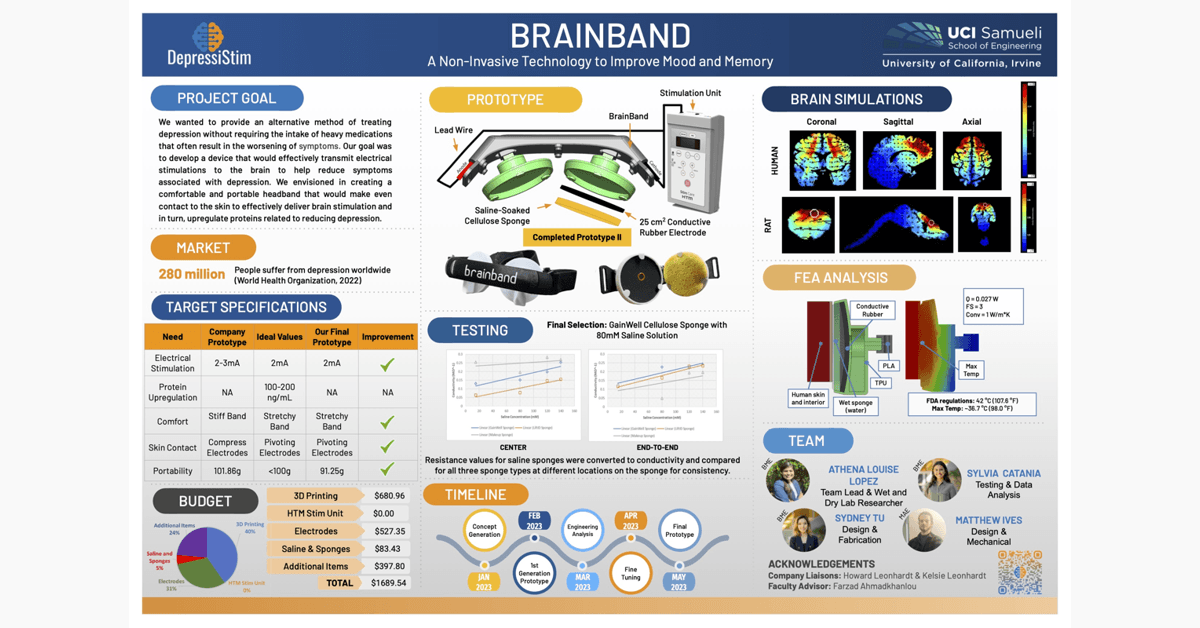
Lionheart Health, Inc., in collaboration with Leonhardt Ventures LLC, has received a Letter of Allowance from the United States Patent and Trademark Office for a patent covering a bioelectric stimulation system that modulates Growth Differentiation Factor 10 (GDF10) and Brain Derived Neurotrophic Factor (BDNF). The system uses low-voltage, pulsed stimulation at 2 mA to 4 mA direct current positive polarity, with optimized levels around 3 mA, to upregulate these proteins in target tissues, aiming to activate endogenous repair pathways without systemic drug exposure. This development is significant because it targets proteins central to neural repair and cognitive function, offering a non-invasive approach to conditions like stroke and neurodegenerative diseases, which could reduce reliance on pharmaceuticals and improve patient outcomes.
The patent, with application number 18/051,425 and publication number 20230133737, was filed on October 31, 2022, and published on May 4, 2023. Inventors include Howard J. Leonhardt and neuroscientist Kelsie Leonhardt. The allowed claims extend beyond GDF10 and BDNF to include programmable stimulation for enhancing complementary regenerative proteins such as Klotho, stromal cell-derived factor 1 (SDF1), and insulin-like growth factor 1 (IGF-1). GDF10 has been linked in preclinical research to axonal sprouting and neural network repair after ischemic stroke, highlighting its potential for neurological recovery. This patent strengthens Lionheart Health's intellectual property in bioelectric regenerative medicine, supporting a multi-protein platform strategy focused on brain health, muscle function, vascular recovery, liver resilience, and systemic longevity.
Pre-clinical animal studies conducted at AccuLab Life Sciences in San Diego, with research grant support, validated the safety and feasibility of the system, demonstrating modulation of regenerative signaling pathways and activation of neuroplasticity-related proteins including Klotho, BDNF, GDF10, and SDF-1. A pilot clinical study in Brazil using the Brain Band™ platform showed improvements in cognition, memory, mood, and reduction in depression symptoms among participants receiving non-invasive bioelectric brain stimulation. This early human validation suggests functional benefits alongside mechanistic protein-targeting strategies, with programming including DepressiStim™, MemoryStim™, CerebraCell™, and AddictiStim™ protocols. The KLOTHO-UP Study, part of this initiative, is currently competing in the Semi-Finals of the $101 million XPRIZE Healthspan competition, as detailed on https://www.LionheartLongevity.com.
Potential investigational applications outlined in the patent span neurological and brain health, such as stroke rehabilitation, traumatic brain injury recovery, and investigational uses for Alzheimer's and Parkinson's diseases, as well as muscle and mobility health for post-stroke motor recovery and sarcopenia mitigation. The system also targets immune and regenerative resilience for tissue repair and inflammatory resolution, vascular and circulatory health for endothelial repair, and liver and metabolic health for hepatic regeneration and fibrosis modulation. Additional tissue targets include retina, cochlea, bone, and other organs, emphasizing the broad impact on healthspan and longevity. Howard J. Leonhardt, Executive Chairman of Lionheart Health, stated that this allowance marks a milestone in harnessing bioelectric signaling to activate the body's regenerative systems, potentially accelerating recovery in neurological conditions and supporting healthspan optimization. For more information, visit https://www.LionheartHealthStim.com.