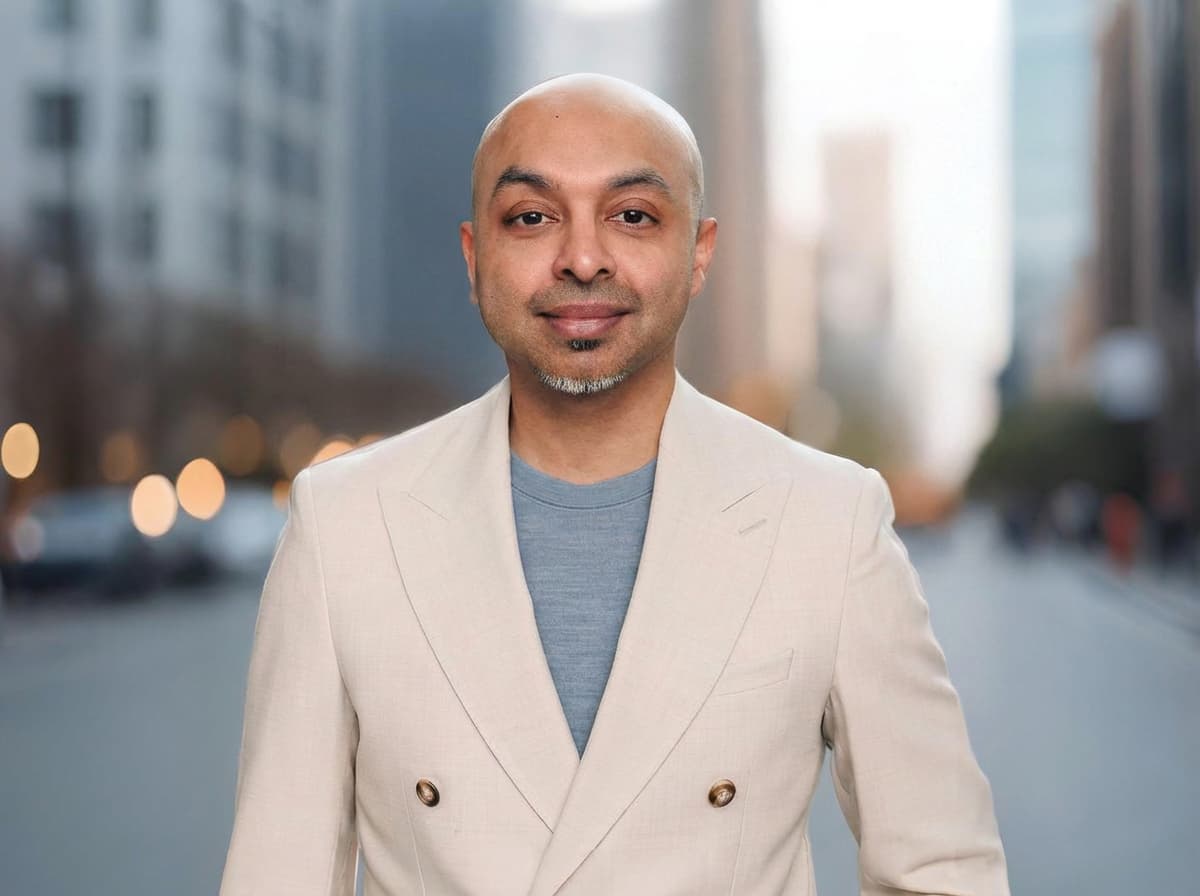
New York City's luxury real estate market has undergone a fundamental shift in buyer priorities by 2026, with high-net-worth individuals treating residential purchases more like strategic financial investments than expressions of personal taste. According to Mukul "Micky" Lalchandani, founder and managing broker of Undivided, a boutique NYC residential brokerage, clients in the $5 million-plus tier—including tech founders, finance executives, physicians, and global investors—are among the most rigorous buyers in any market. These buyers model exit returns before committing to a property and prioritize data on absorption rates and price per square foot over prestigious addresses.
"Bigger numbers mean bigger problems, potentially," Lalchandani stated. "How I advise my clients is: you buy based on the exit. You're not buying a home based on your personal taste—you're buying based on the marketability for a future buyer down the road." This philosophy reflects a broader trend where luxury buyers will walk away from deals that don't hold up under financial scrutiny, regardless of a property's cachet. Lalchandani approaches residential property as a financial asset, tracking resale performance, absorption rates, and supply pipelines in specific buildings before offering advice.
The current market conditions reinforce this data-driven approach. Inventory above the $4 million threshold has remained historically tight in 2026, with cash buyers moving quickly on limited options. Lalchandani noted a significant gap between publicly listed properties and what's actually available, spending considerable energy tracking which developers are quietly holding inventory and when sponsor units might re-enter the market. "If you're not on my radar when an off-market opportunity surfaces, I won't even be able to inform you," he explained. "You may lose the perfect home—one that never even hits Zillow."
Buyer preferences have evolved meaningfully since COVID-19, with private outdoor terraces, home-office-ready floor plans, and single-unit elevator landings moving from preference to near-requirement for high-end clients. Privacy has become a defining market feature, both in daily living and transaction handling. Lalchandani recalled negotiating the sale of a $17 million Central Park-facing property where the owner refused any press coverage, noting that such discretion is now standard at this price point. Features that increase privacy and flexibility tend to outperform in resale, which is why Lalchandani advises clients to evaluate how future buyers will view a property before focusing on finishes or decor.
For buyers new to New York City, Lalchandani steers them away from television-famous neighborhoods toward areas delivering actual value. He cited a client who arrived convinced they needed to live in SoHo but ultimately purchased a $7 million penthouse in Gramercy—a full million below asking price—in a brand-new building with a pool, fitness center, and full-time doorman. Four years later, comparable units in that building traded near $8.6 million. The discount resulted from the building reaching a point in its sales cycle where developers prioritized absorption over pricing, a dynamic Lalchandani looks for across new developments.
"There are 900,000 buildings in New York City," Lalchandani noted. "Two apartments side by side in the same building can sell at very different prices per square foot. Being able to understand those nuances is what separates an asset from a liability." He emphasized that in New York's luxury market, the hardest part isn't finding an apartment but knowing which property will make financial sense five years from now. "Most properties look similar today," Lalchandani concluded. "Their future performance won't be." This shift from status-driven to value-focused purchasing represents a significant evolution in how luxury real estate functions in one of the world's most competitive markets.