

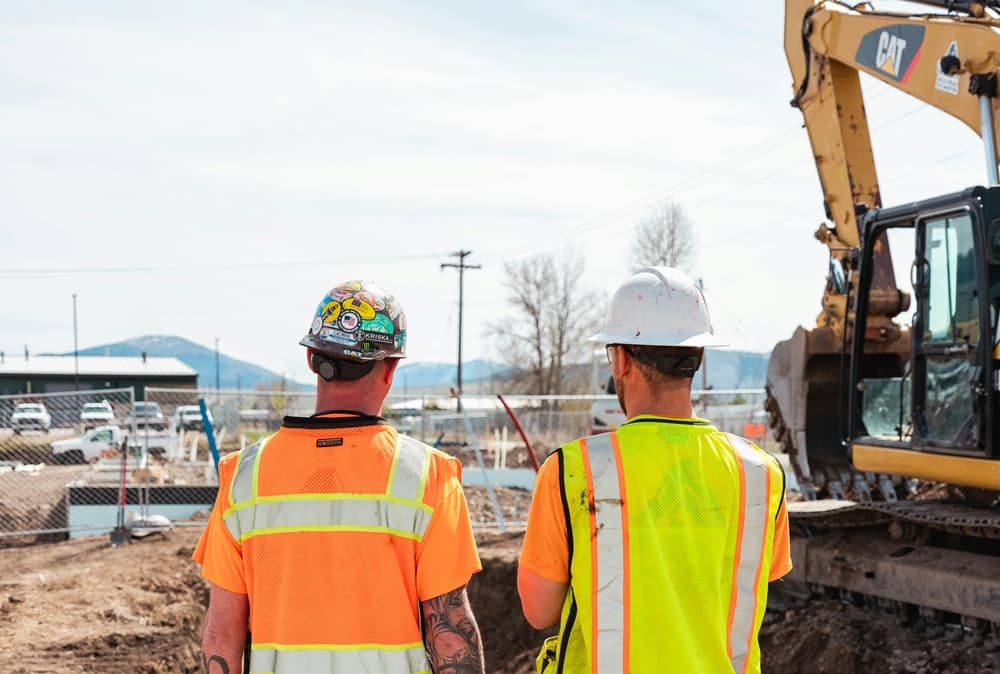
For decades, the American narrative of career success has been singular: graduate high school, attend college, earn a degree, and secure a white-collar job. While college remains the right choice for many, this narrow focus has marginalized skilled trades, leading to a workforce crisis that threatens the nation's infrastructure. Kelvin Enfinger Jr., Vice President at Greenhut Construction and past chair of ABC North Florida, argues in a recent commentary that it is time to broaden the definition of success and treat trade careers with the same respect as college degrees.
Enfinger, who started as a carpenter and equipment operator before rising to executive ranks, notes that his journey is not unique. Across the country, many tradespeople have advanced to become superintendents, project managers, and business owners, achieving financial security and contributing to their communities without a four-year degree. Yet, these career paths are often undervalued in high school guidance offices and family conversations. The skilled trades offer dignity, pride, and opportunity—craftspeople can point to schools, hospitals, and bridges they helped build, creating a tangible legacy of their work.
The urgency of this message is underscored by a workforce shortage that has been building for decades. As experienced craftspeople retire, contractors compete for skilled workers while demand for housing, hospitals, schools, and infrastructure grows. The country cannot build its next generation of infrastructure without first building its workforce, and that begins by changing the conversation. When a student announces a desire to become an electrician or welder, the reaction should be as enthusiastic as the one given to a college-bound peer. Parents, educators, and employers all have a role to play in presenting these pathways as equal options.
Moreover, the skilled trades serve as a powerful entrepreneurial pipeline. A young person can learn a craft, move into supervision, understand the business side, and eventually start their own construction company. Many successful businesses have started this way, representing economic mobility in its purest form. However, solving the shortage requires systemic support: stronger career and technical education programs, expanded high-quality apprenticeships, better school-employer partnerships, and financial literacy training. Employers must invest in people, showing a career ladder rather than merely offering a job.
This is not an argument against college, Enfinger clarifies, but for options. A student aspiring to be an engineer should have a clear pathway to engineering school, just as an aspiring electrician should have a clear path into an apprenticeship. Neither path should be judged as more successful based on the choice made at 18. The author's experience from ground level to executive level has convinced him that untapped talent sits in classrooms, waiting for someone to reveal the possibilities in construction. An apprentice can become a business owner; an equipment operator can supervise multimillion-dollar projects.
America needs builders, makers, and problem-solvers, not just more workers. By widening the definition of success, the nation can celebrate every pathway that allows individuals to build meaningful careers, support families, and contribute to their communities. As Enfinger puts it, "America's future will not only be crafted in boardrooms and classrooms. Someone still has to build it."
