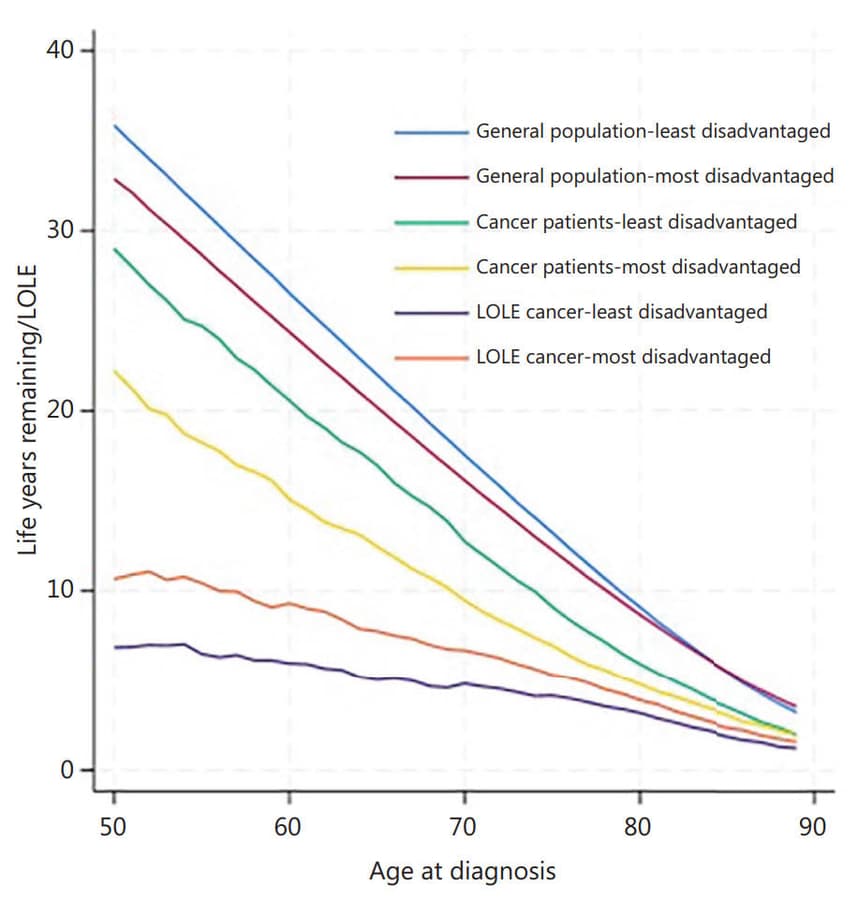
A comprehensive study conducted in New South Wales, Australia, has uncovered alarming disparities in life expectancy among cancer patients based on their socioeconomic status. The research, published in Cancer Biology & Medicine, analyzed data from over 422,000 cancer patients diagnosed between 2001 and 2019, revealing that individuals from disadvantaged areas experience a substantially greater reduction in life expectancy following a cancer diagnosis compared to those from more affluent backgrounds.
The study, led by researchers from The Daffodil Centre, a joint venture between the University of Sydney and Cancer Council NSW, in collaboration with Cancer Council Queensland, provides crucial insights into the relationship between socioeconomic factors and cancer outcomes. The findings underscore the urgent need to address inequities in cancer care to ensure more equitable survival outcomes for all patients, regardless of their economic status or place of residence.
Dr. Xue Qin Yu, the study's principal investigator, emphasized that the battle against cancer extends beyond medical treatment to overcoming socioeconomic challenges. The research found that the socioeconomic disparity in life expectancy was most pronounced among patients diagnosed with cancers that typically have higher survival rates, such as prostate and breast cancer. Notably, the gap was most evident in patients diagnosed at earlier cancer stages, highlighting the critical importance of improving access to early detection, quality treatment, and survivorship care for disadvantaged populations.
These findings have significant implications for cancer care policies and practices. Healthcare systems must prioritize early detection initiatives and ensure equitable access to treatment, particularly in underserved areas. Policymakers are called upon to direct resources to communities most affected by these disparities, while healthcare providers need to be equipped to deliver care tailored to the socioeconomic realities of their patients.
The study's results suggest that despite advancements in cancer treatments, the benefits are not experienced equally across different socioeconomic groups. Patients in lower-income areas face greater challenges in accessing timely diagnoses, effective treatments, and post-cancer support. This ongoing disparity indicates that factors such as healthcare access and treatment quality play crucial roles in patient survival.
The implications of this research extend beyond the healthcare sector, touching on broader issues of social equity and public health. Addressing the life expectancy gap in cancer patients requires a multifaceted approach that includes improving healthcare infrastructure in disadvantaged areas, enhancing health education and awareness programs, and implementing policies that reduce socioeconomic barriers to quality healthcare.
As the global community continues to strive for advancements in cancer treatment and care, this study serves as a stark reminder that progress must be inclusive. It challenges healthcare systems, policymakers, and society at large to ensure that the fight against cancer is fought on equal terms for all individuals, regardless of their socioeconomic background. The ultimate goal is not only to extend lives but to provide comprehensive support for all cancer patients, helping them lead healthier lives post-diagnosis and reducing the socioeconomic divide in health outcomes.