The necessity of building inspections during the construction of new homes cannot be understated, as they play a pivotal role in ensuring compliance with Australian standards and safeguarding homeowners' investments. A building inspector's expertise is crucial in identifying potential issues early, such as plumbing failures in bathrooms, which are prone to flooding and can lead to significant damage if not addressed promptly. These professionals conduct thorough assessments to verify that all construction elements, from waterproofing to fixture installation, adhere to stringent regulations, thereby preventing future financial and structural burdens.
Adherence to Australian standards is not merely a legal requirement but a foundation for the safety, health, and sustainability of buildings. Building inspectors are instrumental in this process, offering homeowners peace of mind by ensuring their new home is constructed to last. The absence of such inspections can lead to dire consequences, including structural failures, safety hazards, and legal issues, not to mention the potential devaluation of the property should these problems come to light during a future sale.
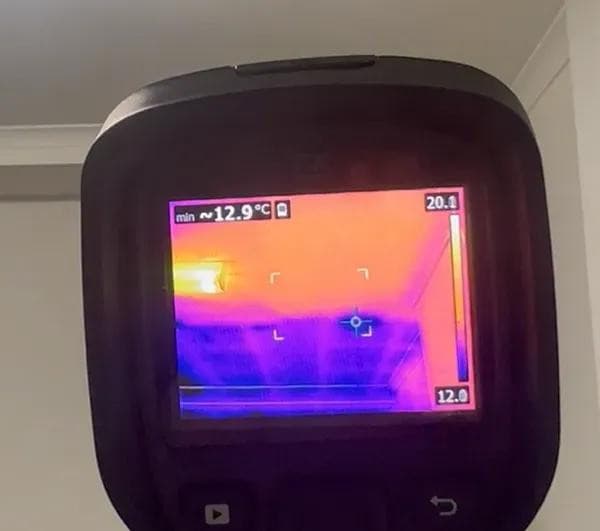
Beyond the immediate benefits of compliance and safety, building inspections can uncover other construction shortcomings, such as subpar materials or inadequate insulation, allowing for timely corrections. This proactive approach not only saves homeowners from expensive repairs down the line but also enhances the overall quality and value of the home. In today's market, where buyers are increasingly diligent, a home that has undergone rigorous inspections is more likely to attract interest and command a premium price.
The financial implications of skipping building inspections are profound, with potential repair costs running into thousands of dollars for issues that could have been easily prevented. Moreover, the assurance that comes with professional oversight is invaluable, particularly for first-time homebuyers navigating the complexities of construction. Engaging a qualified building inspector is not just a step in the construction process; it's an investment in the home's future, ensuring it is safe, compliant, and built to the highest standards. For more information, visit https://dcinspect.com.au.