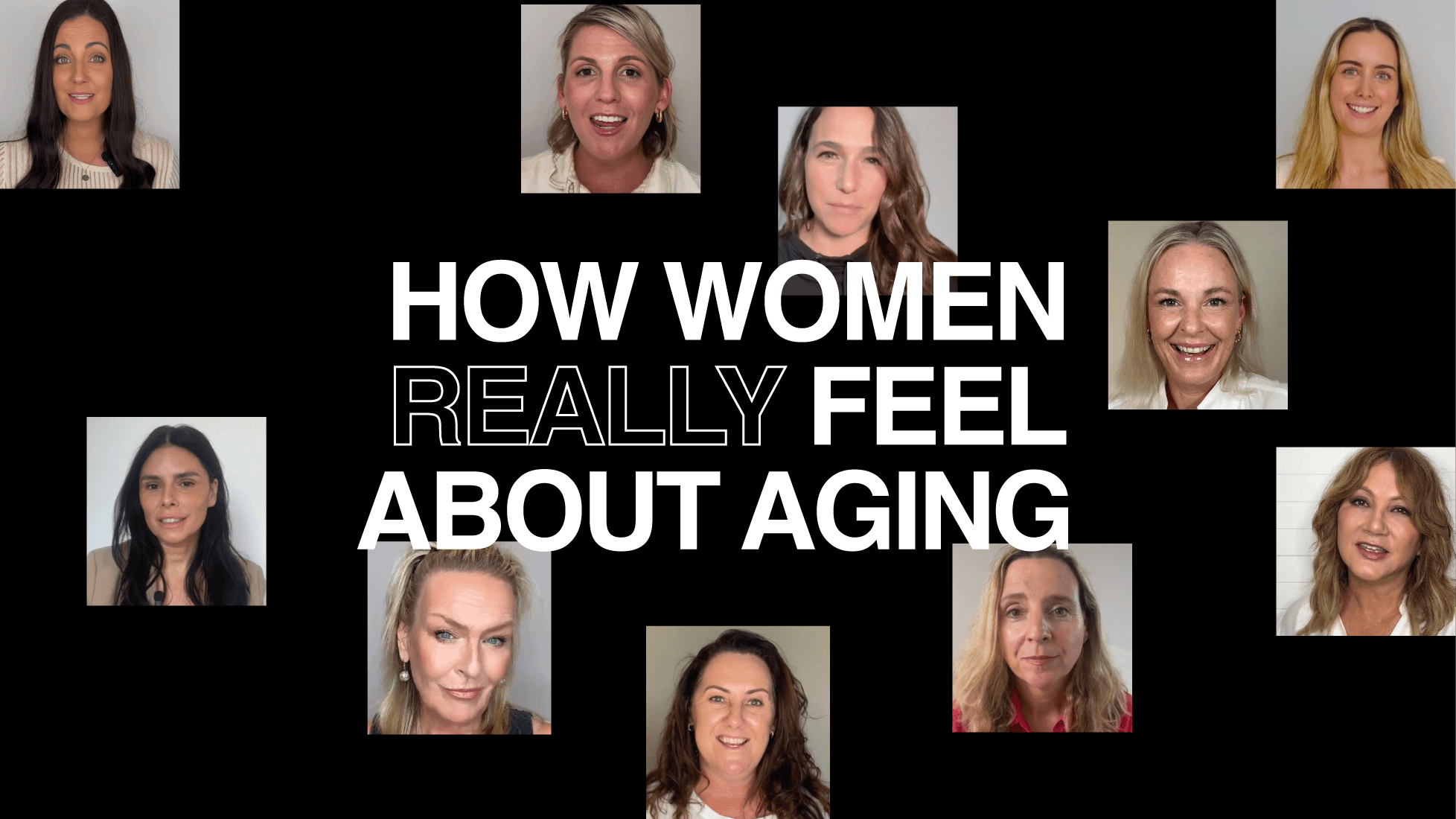
A comprehensive survey conducted by Wrinkles Schminkles has uncovered significant insights into how women perceive aging, revealing a strong collective desire to reframe societal conversations about growing older.
The survey of over 1,500 women aged between 20 and 70 years old demonstrated remarkable consensus across three countries regarding attitudes toward aging. An overwhelming majority—84% of American women, 88% of Australian women, and 88% of British women—expressed a unified stance against the term 'anti-aging', signaling a profound shift in generational perspectives.
The research highlighted complex emotional landscapes surrounding aging. While 59% of American women, 57% of British women, and 64% of Australian women acknowledged mixed feelings about physical changes, they simultaneously recognized aging as a natural life process. More than half of the respondents reported feeling pressured to continuously combat aging, with percentages ranging from 45% in Britain to 58% in Australia.
Notably, approximately 70% of women across all three countries advocated for more positive and inclusive language when brands discuss aging. This sentiment reflects a growing demand for representation that celebrates diverse experiences of aging rather than perpetuating restrictive, youth-centric narratives.
The survey results underscore a nuanced understanding of personal agency. Women expressed a desire to feel empowered in their choices, whether that means embracing natural aging or seeking cosmetic interventions without judgment. This perspective challenges traditional marketing approaches that have historically relied on fear-based messaging about aging.
By revealing these perspectives, the survey provides critical insights into evolving societal attitudes. It demonstrates that women seek authentic representation, respect for individual choices, and language that recognizes aging as a multifaceted, personal journey rather than a problem to be solved.
The findings suggest a transformative moment in how society conceptualizes aging, with women themselves driving conversations toward more inclusive, empowering narratives.