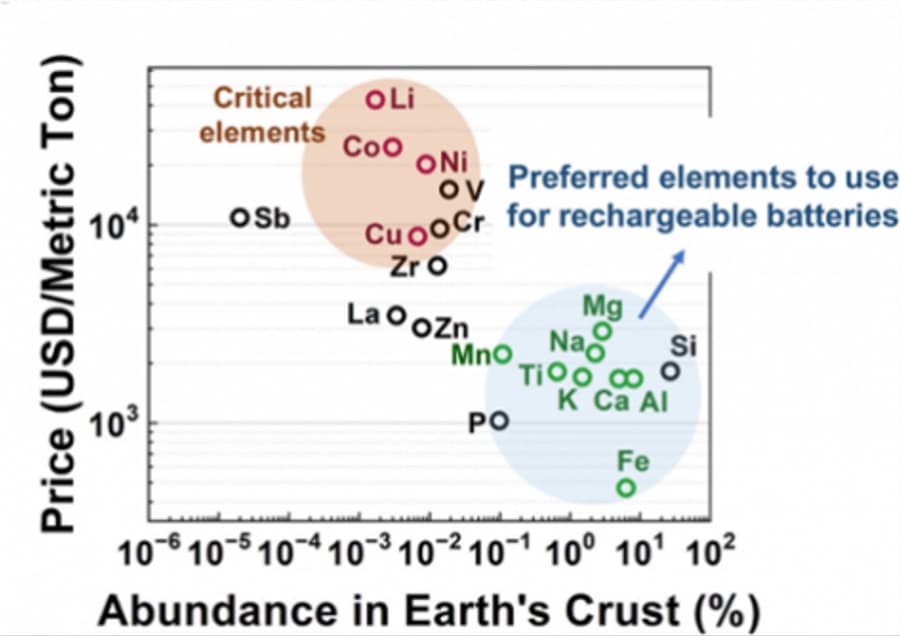
In a significant shift towards sustainable energy solutions, scientists are intensifying their exploration of non-lithium-ion batteries as viable alternatives to traditional lithium-ion technology. This research, crucial for developing environmentally friendly clean energy systems, focuses on sodium, potassium, magnesium, and calcium-ion technologies, which rely on more abundantly available elements.
A perspective published in eScience on January 12, 2024, by teams from Lawrence Berkeley National Laboratory and Stevens Institute of Technology, highlights the potential of these alternative battery technologies. The study addresses the pressing need for sustainable and cost-effective energy storage solutions, particularly in light of the growing demand for electric vehicles (EVs) and the limitations of current lithium-ion batteries.
Lithium-ion batteries, while instrumental in the rise of portable electronics and EVs, face significant challenges due to their reliance on finite and geographically concentrated resources such as lithium, cobalt, and nickel. As demand surges, particularly in the EV sector, concerns about supply shortages and rising costs threaten the scalability of this technology.
The research identifies unique advantages for each of the alternative battery types. Sodium-ion batteries are positioned as a leading contender for the transition, offering cost-effective energy storage solutions for grid systems and mid-range EVs. Potassium-ion batteries, despite challenges related to their larger ionic size, show promise for low-cost applications in microgrids and backup power systems.
Magnesium-ion batteries stand out for their higher volumetric capacity and resistance to dendrite formation, although current polarization issues limit their efficiency. Calcium-ion batteries offer impressive energy density potential but require further development to overcome electrode-electrolyte stability challenges.
Prof. Haegyeom Kim emphasizes the significance of these technologies, stating, "Non-lithium-ion technologies represent an exciting opportunity to diversify and optimize energy storage. Sodium and potassium batteries are particularly well-suited for cost-sensitive applications, while magnesium and calcium systems have the potential to achieve high energy density, setting the stage for long-term solutions in clean energy."
The implications of this research are far-reaching. These emerging battery technologies could address specific energy storage needs across various sectors. Sodium-ion batteries are particularly well-suited for large-scale, stationary applications such as grid storage and home backup power systems. Magnesium and calcium-ion batteries, with their potential for superior energy density, could find applications in personal mobility devices like e-scooters and bicycles.
This diversification of energy storage technologies is critical for several reasons. It reduces dependence on scarce resources, potentially lowering costs and increasing the sustainability of energy storage solutions. It also opens up new possibilities for tailored energy storage applications, potentially accelerating the transition to renewable energy sources and electric transportation.
The development of these alternative battery technologies could have significant economic implications, potentially reshaping supply chains and creating new industries. It could also contribute to energy security by reducing reliance on geographically concentrated resources and diversifying the global energy storage ecosystem.
As research in this field progresses, it holds the promise of fostering a more sustainable and secure energy future. The successful development and implementation of these non-lithium-ion batteries could play a crucial role in addressing climate change, supporting the growth of renewable energy, and enabling the widespread adoption of electric vehicles.
While challenges remain in bringing these technologies to market, the ongoing research represents a critical step towards a more sustainable and diversified energy storage landscape. As these alternative battery technologies continue to evolve, they have the potential to revolutionize how we store and use energy, paving the way for a cleaner, more efficient, and more sustainable future.